
Watching a beloved hamster wither under severe pain and discomfort can be heartbreaking for everyone. While many of us try to prolong the rodent’s life as much as possible, there comes a time when putting down the sick hamster seems to be the best way forward.
But how do you humanely euthanize a pet hamster at home when you have no access to a vet or can’t afford one? After safely putting down 3 sick hamsters in the last 5 years, our personal experiences show that there’s no easy way to get the deed done even if you know how to go about it.
Also, no DIY euthanasia method can be as pain-free as getting the procedure done by a vet.
How do you humanely euthanize a pet hamster at home? The best way to painlessly euthanize a hamster is via exposure to high concentrations of Carbon dioxide (CO2) generated from vinegar and baking soda solution according to the American Veterinary Medical Association. DIY gas chambers made from shoeboxes and other materials can serve the purpose by creating a controlled environment where hamsters inhale the C02 which initially acts as an analgesic before finally putting them down in a couple of minutes.
We all adopt or purchase hamsters with the intention of caring and building a lifelong bond. Even though these pet rodents have shorter lifespans, the decision to let them cross over to the other side can be extremely difficult. Unfortunately, there are times when it is the right thing to do.
How Do You Humanely Euthanize A Pet Hamster At Home??
The American Veterinary Medical Association recommends the use of CO2 for safely putting down small rodents such as hamsters. There are several methods available for DIY hamster euthanasia but the gas chamber option seems to be the most pain-free from personal experience.
Required Items:
- 1 gallon jar or juice pitcher
- 1 gallon size plastic zip lock bag or shoe box
- 16-ounce cup
- Rubber band or tape
- Cage litter
- Rodent toy
- Cloth or shredded paper
- 0.5-inch internal diameter plastic hose
- Twist tie
- Baking Soda (1 pound)
- Vinegar (1 gallon)
The Method
Here’s the method for euthanizing pet hamsters at home in a pain-free manner. As long as you follow the steps below, a successful outcome is likely.
- Open the 1 gallon jar or juice pitcher and add familiar litter and toys from the hamster’s cage to provide comfort during the little guy’s last moments.
- Create a tiny nest and cover the jar with a cloth or shredded paper to limit the hamster’s movements during the final minutes.
- The cover cloth should feature two holes i.e. one for the hose and the other to whip out air as the carbon dioxide enters the jar serving as the euthanasia chamber.
- Suck on the hose to get rid of maximum amount of air in the bag containing the baking soda and vinegar prior to putting the hose in the euthanasia chamber jar.
- Put the poor hamster in the euthanasia chamber jar with the hose extended about 2 inches into the chamber and partially seal the container, making sure there’s a small opening to allow the container’s air to escape.
- Hold the cup through the plastic bag and pour out a half gallon of the vinegar slowly into the baking soda making sure it takes about 60 seconds. As the acid reacts with the baking soda, a fizzing sound will likely be heard.
- Carbon dioxide gas will start filling the atmosphere, passing through the hose and into the euthanasia chamber. Ensure the hose stays in place and doesn’t fall into the liquid to prevent the expanding gas from forcing the liquid through the hose.
- Slowly increase the carbon dioxide concentration as the gas mixes with the air in the euthanasia chamber to prevent the gas from falling down the chamber. Within 2 minutes, the pet rodent should be deeply asleep and making heavy breaths due to the deep anesthesia exposure.
- Push the hose close to the bottom of the jar and pour out the leftover vinegar into the bag. Once the fizzing stops, squeeze the bag to let out leftover carbon dioxide into the chamber which should kill the poor little guy within a couple of seconds thanks to the extremely concentrated nature of the CO2.
- Avoid opening the chamber to confirm whether the hamster is dead. Instead, cover and leave it alone for half an hour or so.
- You can finally check the chamber to confirm death and make plans for disposal of the dead body.
Studies have shown that rodents put down through this method showed no signs of stress after post-humous blood tests for ACTH, corticosterone, and glucose.
We recommend always calling on a vet to euthanize sick pets including hamsters. But if that is not viable due to accessibility or financial reasons , the method above is as painless as it comes in DIY hamster euthanasia.
When Euthanasia Makes Sense
Putting down a beloved hamster may seem inconceivable but there may come a point in the little guy’s life when every inch of breath can seem torturous. An honest chat with your vet to understand the true state of the hamster’s health can be a great start.
Once all evidence points to euthanasia as the best method for the hamster’s comfort, a quick decision has to be taken. Letting your furball go through additional excruciating pain because of indecision can be a disservice to him.
Here are a couple of scenarios where euthanasia may be the most sensible option for hamsters.
- When you hamster has stopped eating and drinking completely due to illness and continues to suffer substantial dehydration and weight loss.
- When your hamster struggles significantly to breathe.
- When your hamster seems to be in excruciating pain every single minute.
- When your hamster is diagnosed with a terminal disease such as cancer and suffering from major discomfort from the symptoms.
- When your hamster has lost interest and does not have the strength to move, self-groom, or engage in healthy daily activities.
- When your hamster does not have the strength to pee or poop like normal. Self-easing may become labored with strange scents.
- When you do not have the financial muscle or cannot commit as much time as necessary to care for the sick hamster.
Saying Goodbye to Your Hamster During His Last Days
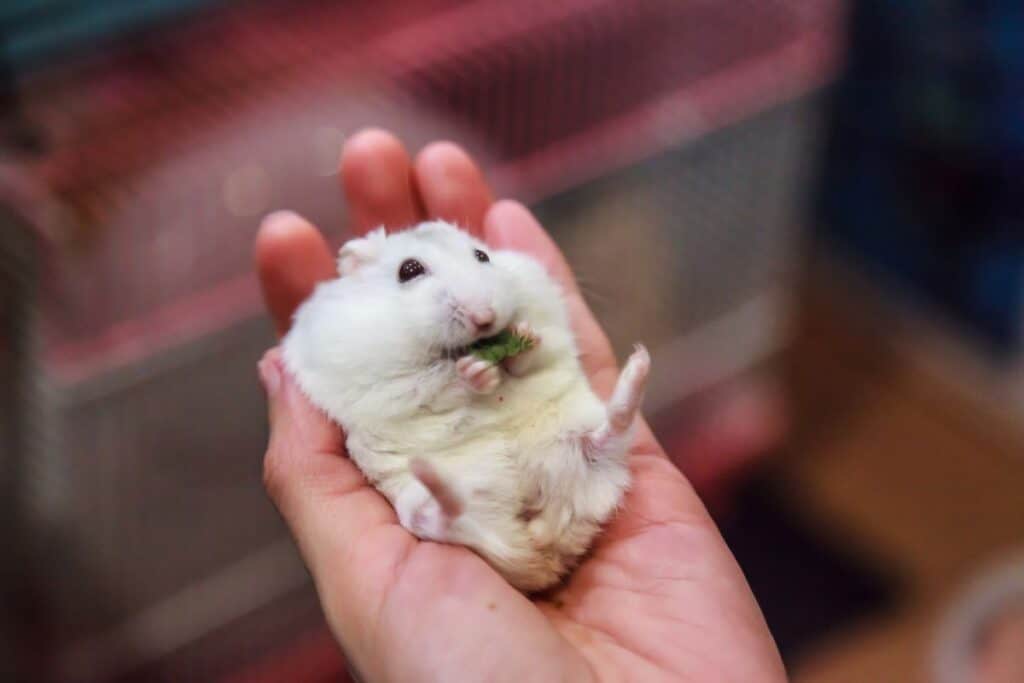
Once the final decision is made to euthanize your hamster, it is time to say a proper goodbye. While the process should be done quickly to put the little guy out of his misery, the value of spending some final time together with a pet that has become like family cannot be overemphasized.
Petting the hamster gently and whispering sweet words to him during your playtimes can be very comforting in his last days. If his appetite is not completely lost, this can be a great time to offer some of his favorite treats.
While healthy treats such as Chia seeds are usually recommended, you can throw caution to the wind by offering sweets like Plain Cheerios or Marshmallows.
Consider allowing your kids and other family members to spend some time with the hamster too to ensure a proper goodbye from everyone. This should reduce the whole family’s grief and speed up closure when the pet rodent is finally gone.
Is it Legal To Euthanize a Hamster?
Hamsters can be legally euthanized in most states but it is always a great idea to check local animal cruelty laws before going ahead. Most state laws on euthanasia specify conditions under which the procedure can be carried out at home and the general guidelines to follow.
You can always seek legal counsel if you’re in doubt about any part of the DIY euthanasia process. States such as California and Hawaii have laws against raising hamsters at home in the first place so putting them down must be illegal too.
What Can Kill a Hamster Instantly?
Exposure to concentrated C02 (over 80 percent) is an instant way to kill hamsters without unnecessary pain. Cervical dislocation, a technique involving the dislocation of the spinal column from the brain or skull via the application of small pressure on the neck is another popular method.
While the technique is criticised by many in the veterinary community, The University of Iowa and some vets consider cervical dislocation an ethical method for putting down small rodents such as hamsters.
There are several ways to kill hamsters but the majority may cause significant degrees of pain before the rodent passes out. Blunt force trauma from hitting them with a heavy object or slaughtering by cutting their throat can be two cruel but quick ways to kill hamsters.
Can a Vet Euthanize a Hamster?

Vets offer the quickest and most pain-free ways to put down sick pets but be prepared to sign a form of consent and pay the necessary charges before the procedure starts.
The veterinarian often allows the pet rodent to inhale anesthesied gas mixed with oxygen. The result is unconsciousness within a minute or two, after which a fatal injection is given to finish the job.
Vets often conduct euthanasia in the clinic after giving the owner some space and time to hang out with the sick hamster for the final time. If money is no object, at-home euthanasia services for hamsters can be an option too.
The premium service is popular among hamster parents who want their beloved furballs to spend their last moments in the comfort of familiar surroundings and people.
Unfortunately, not all vets offer at-home euthanasia services. Even if you find a willing professional, the procedure can be quite expensive.
How Much Does it Cost To Euthanize a Hamster?
There’s no specific price to pay for professional hamster euthanasia services. The price may depend on factors such as location, vet’s skill level, and the type of service but the range can start from as low as $40 to over $500.
Location
Location can be a huge factor in determining how much professional hamster euthanasia costs. For instance, you can expect to pay substantially more for such services in Manhattan, NYC compared to a rural town in Arkansas.
Type of Service
What type of euthanasia service are you requesting? Do you want a standard procedure at the vet’s clinic or prefer home-based euthanasia by a vet on a comfy deathbed? These factors can come into play when determining the cost of getting a sick hamster put down.
The distance from the vet’s clinic to your home and other location-based factors may also determine how much it costs in the end.
Vet’s Skill Level
A more experienced vet will likely charge higher for putting down hamsters compared to novices because of the potential difference in skill level. Typically, the longer the level of experience, the higher the price charged but there may be exceptions.
Complimentary Services
Some vets offer complementary services including burial or cremation. Choosing such additional services can lead to even higher charges. For instance, some pet cemeteries charge up to $1,000 to get the little guy buried in style.
Hamster crematoriums may also charge up to $800 for those who prefer cremation. The charges may cover stuff like private cremation, private viewing, and the cost of a fancy urn to carry the little guy’s ashes back home.
Can You Euthanize Hamsters with Tylenol?

Overdosing on Tylenol can kill hamsters but the process may be quite slow and painful. Offering 5-10 tablets of Tylenol PM should do the trick but expect your hamster to look disoriented after overdosing on the painkillers.
This method is not recommended for anyone looking to put down pet rodents in a humane way. It could trigger significant pain for several hours before death occurs. In some instances, the hamster could even survive.
How Does a Hamster’s Neck Get Broken?
A hamster’s neck may get broken from an accidental drop or fall from a considerable height. This may lead to neck fractures causing substantial pain and discomfort. Depending on the height of the fall, the broken neck can be so severe that it ends up killing the hamster.
How to Dispose a Dead Hamster’s Body
Whether your hamster is euthanized at home or by a vet, the body needs to disposed off once the little guy crosses over to the other side. Some vets offer body disposal services at a fee so that can make the whole process a bit easy after getting professional pet euthanasia.
However, you’ll have to take the body disposal process into your own hands after DIY hamster euthanasia. Here are the most popular options available.
Burial
Burial can be quickly done in your backyard by simply digging up a hole 1-2 feet downwards, tossing the dead body, and covering up with the dug soil. However, it is always a good idea to check local regulations to be sure you’re not on the wrong side of the law.
Composting
This can be a solid alternative if you want to use the dead rodent’s body for another purpose. Instead of getting rid of it, composting can help boost your backyard gardening efforts by serving as an organic fertilizer.
Cremation

Most cities have pet crematoriums you can take the little pet’s body after conducting at-home euthanasia. Charges may range from $200 to $800 depending on your location as well as the the kind of extras chosen.
Hamster cremation can be done on the same day or the next depending on the crematorium’s schedule and how much you’re willing to fork out.
Dumpster
Many folks throw the bodies of dead rodents into the dumpster even if it sounds unconventional. However, find out whether this is legal in your state to avoid getting into trouble with the authorities. Also, you may want to wrap up the corpse in several layers of plastic before dumping the body.
Conclusion
Hamsters can be humanely euthanized at home via exposure to high concentrations of carbon dioxide. Unconsciousness typically sets in when exposed to over 33 percent of CO2 and a peaceful death becomes inevitable when the concentration levels hit over 80 percent.
Additional methods include cervical dislocation and even Tylenol overdose. However, these methods may delay the little guy’s death and cause further pain. If you’re unsure of how to go about it or would rather not get your hands dirty, a vet can get it done quickly and painlessly for a fee.